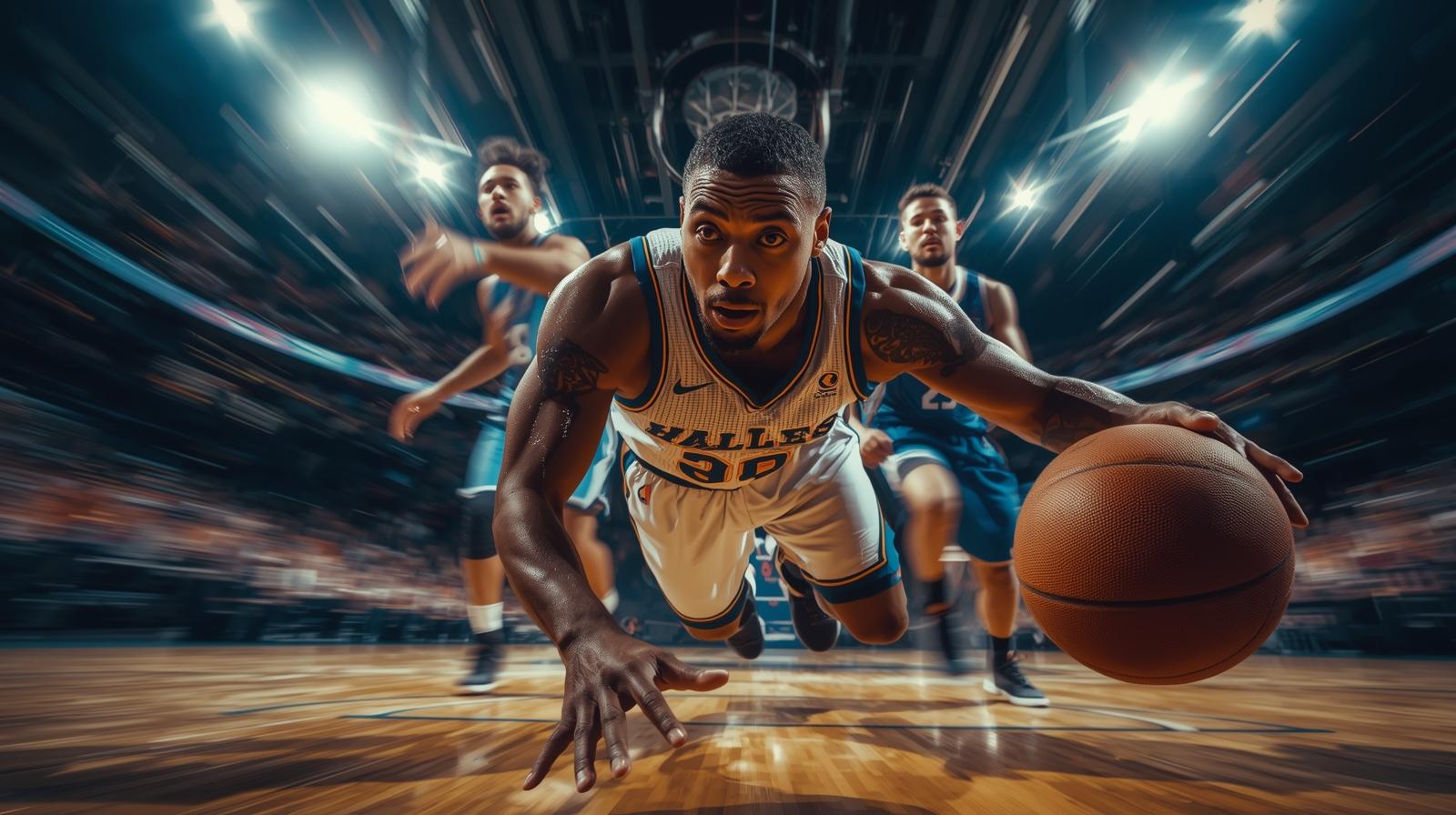

How Basketball Stats Reveal Effort, Not Just Talent
Talent attracts attention. Effort wins games.
You can see natural ability in smooth shots, quick moves, and highlight plays. But effort shows up on every possession. That’s why I track hustle stats. They reveal who competes hard, even when shots aren’t falling.
Rebounds, deflections, loose balls, contested shots, and recovery plays are honest stats. They show who stays focused, reacts quickly, and does the hard work that doesn’t make the highlight reels.
Why Effort Stats Matter
Effort stats help teams stay steady. When shots miss or momentum changes, effort keeps teams in the game. Hustle creates extra chances, breaks up the other team’s flow, and prevents small mistakes from turning into bigger ones.
Players who always show effort make a difference, even if their shots aren’t going in. Coaches trust that kind of reliability, and trust leads to more time on the court.
Separating Consistency From Flash
Talent can fade if a player loses confidence, but effort doesn’t have to. Players who rebound, defend, sprint back, and contest shots give coaches something they can rely on.
Stats make the difference obvious. They show which players only stand out sometimes and which ones compete every game.
How Tracking Effort Changes Behavior
When players know effort is tracked and valued, they change how they play. Closeouts improve. Players fight harder for position. Communication increases. The standard is clear, not just assumed.
Effort isn’t just an opinion anymore. Now, you can measure it.
Building a Stronger Team Culture
Teams that focus on effort stats are harder to play against. Everyone understands that helping the team means more than just scoring. Roles are clearer, and players take pride in the work that leads to wins.
That change in culture happens fast, and it lasts.
The Bottom Line
Basketball stats aren’t just about talent. When you track them carefully, they show effort, reliability, and competitiveness.
These are the traits that separate teams that only look good from teams that actually win.