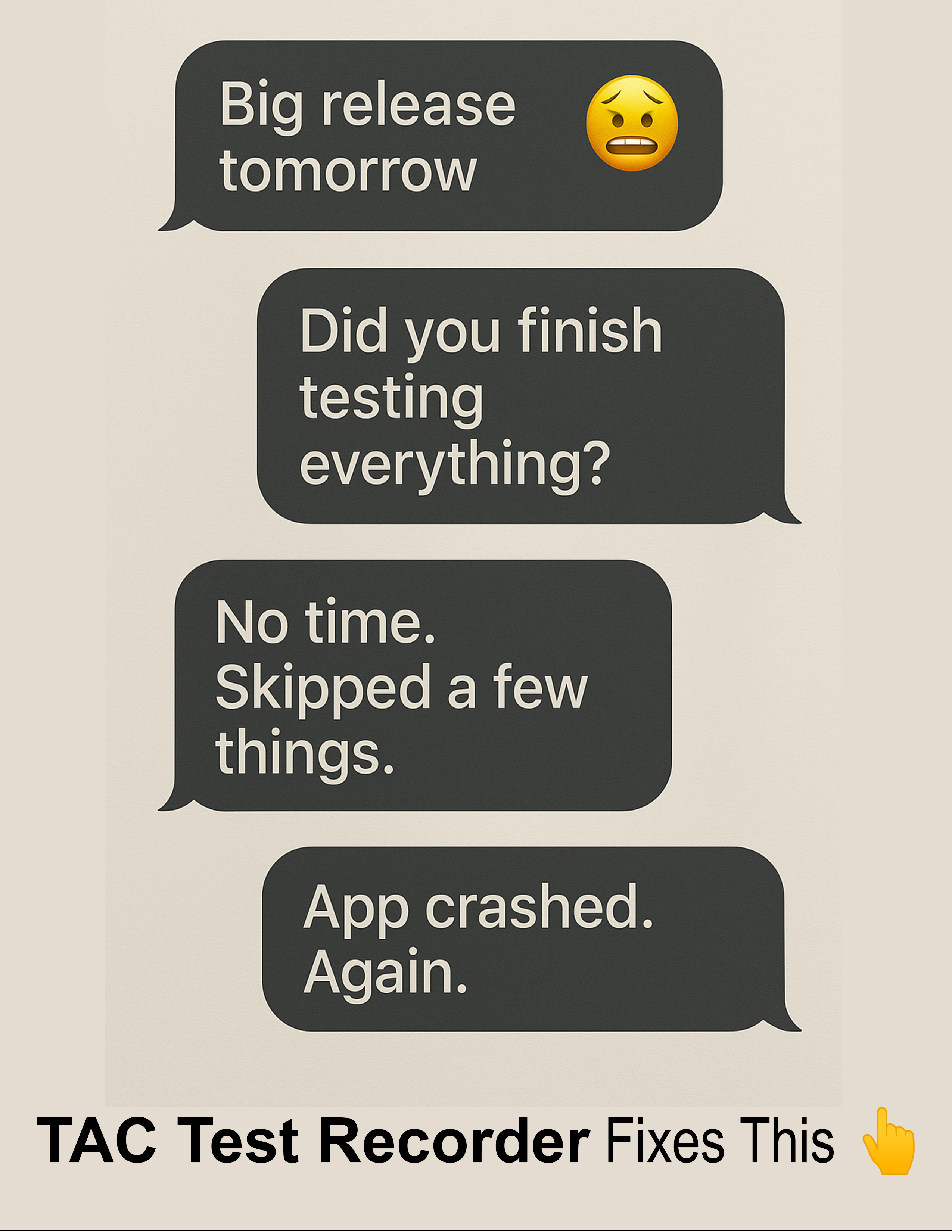

Why Testing Only the Happy Path Is the Fastest Way to Ship Bugs
I’ve lost count of how many times I’ve seen a feature pass testing just because “the main flow works.” If I got paid for each one, I’d be able to retire.
Testing the happy path is important, but it’s not enough. Relying on it too much is actually one of the quickest ways to let bugs slip into production.
Real users don’t follow scripts or read acceptance criteria. They might click the wrong button, reload a page in the middle of something, or enter unexpected data. If testing only checks for ideal behavior, it misses how people really use software.
For me, the happy path is just the beginning. After I see that a feature works in perfect conditions, I try to break assumptions. What if the network goes down? What if an API only sends back some of the data? What if a user skips a step or tries to go back?
Edge cases often reveal logic gaps that happy-path testing will never uncover. These are the bugs that don’t show up immediately but cause frustration, data corruption, or silent failures over time.
Automation can make things worse if it’s not set up carefully. Automated tests often focus on happy paths because those are easier to write. I always include negative scenarios, edge cases, and failures in my automated tests, not just the ones that succeed.
I also watch out for state. Software is rarely brand new. Users might have partial data, old records, or unfinished tasks. Testing should cover these situations, especially in systems that have been around for a while.
Testing the happy path can make teams feel confident, but thorough testing actually protects them. That difference is important.
When QA goes beyond just the ideal cases, it starts to catch the problems that really affect users. That’s where QA truly adds value—not just showing something works once, but making sure it works when things go wrong.