
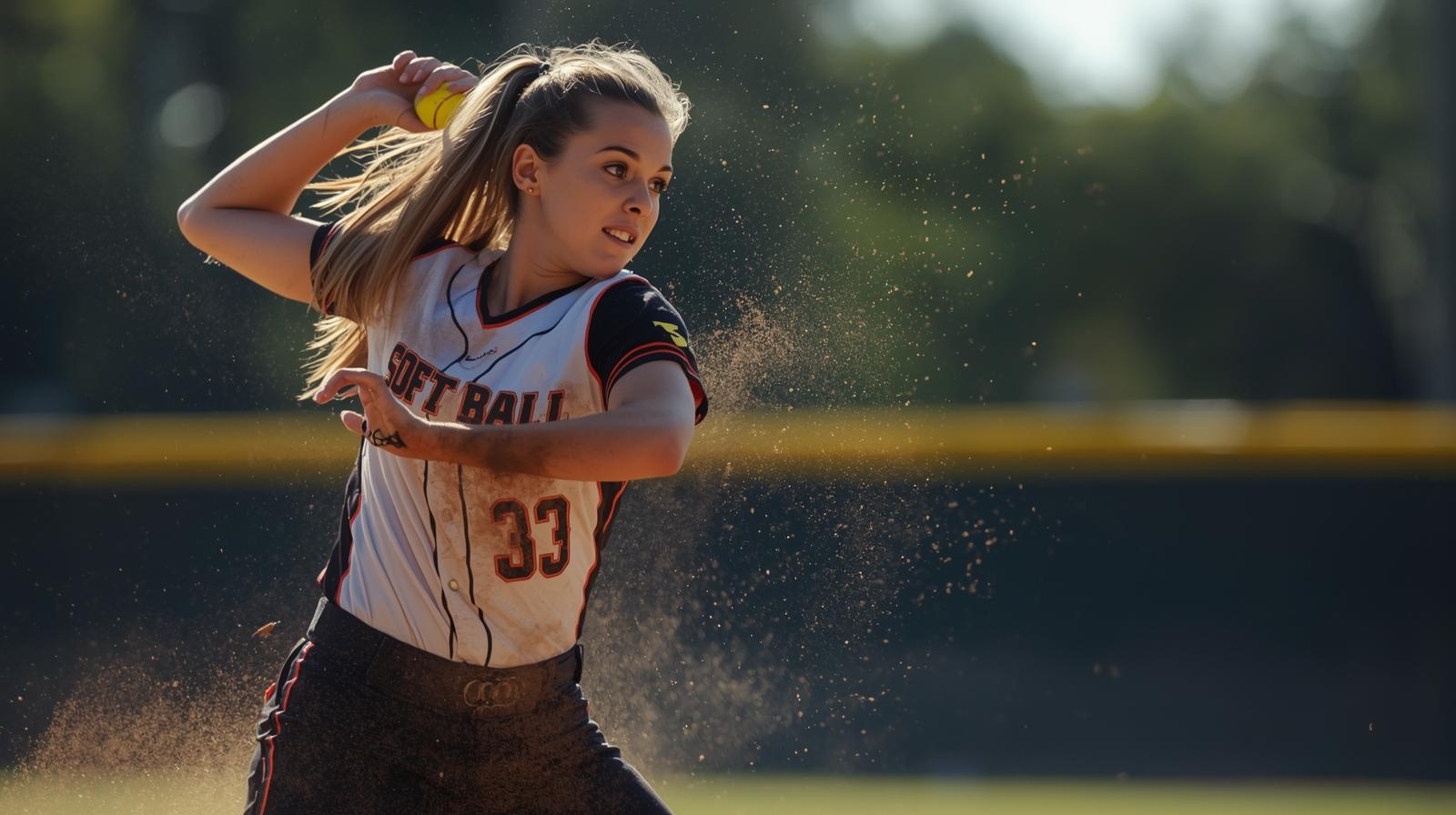
How Pitch Counts and Inning Data Help Protect Young Arms
Taking care of a pitcher’s arm isn’t just a choice—it’s something we all need to do.
Young pitchers recover differently from adults since their bodies are still developing. That’s why I watch pitch counts and innings closely. Overuse rarely causes immediate problems, but it can lead to soreness, slower pitches, or injuries weeks or months later that could have been prevented.
Tracking data helps us notice risks early, before any damage occurs.
Why Raw Pitch Limits Aren’t Enough
A single pitch count doesn’t tell the whole story. Two pitchers might throw the same number of pitches but feel very different levels of stress. Without context, pitch limits can make us think players are safer than they really are.
That’s why I look for patterns, not just the total number of pitches:
- Pitches per outing: Sudden jumps in pitch count are often riskier than steady workloads.
- Rest days between games: Time to recover is just as important as how many pitches are thrown.
- Total innings over time: Fatigue can build up over several weeks, not just in one game.
- High-stress innings: Long at-bats, lots of runners, and tense moments put more strain on the arm than quick, easy innings.
These details help us spot signs of fatigue before any pain begins.
Identifying Fatigue Before Injury
Young pitchers often stay quiet when something feels off. They want to play and don’t want to let their teammates down. That’s why having clear data matters so much.
Watching workload trends can show when mechanics slip, speed drops a bit, or control gets worse. These are early signs the arm needs rest or a change. Catching these signals early helps prevent bigger problems later.
Data Leads to Smarter Decisions
When workload data is clear, it’s easier to make decisions about the rotation and bullpen. There’s no need to guess or let emotions take over. I don’t have to choose between protecting a pitcher and staying competitive because the data supports both.
Pitchers stay healthier. Coaches can be more consistent. Parents can feel confident that decisions are made responsibly.
Balancing Development and Competition
Protecting arms doesn’t mean taking away chances to play. It means managing them wisely. With good tracking, pitchers can build strength, confidence, and durability without extra risk.
Finding that balance helps players keep getting better instead of having to recover from injuries.
Pitch counts and inning data aren’t meant to limit players. They’re there to keep them safe. When tracked regularly and reviewed carefully, this information helps prevent injuries before they happen.
Healthy arms last longer, and using good data helps make that possible.