
How QA Bridges the Gap Between Product, Development, and Users
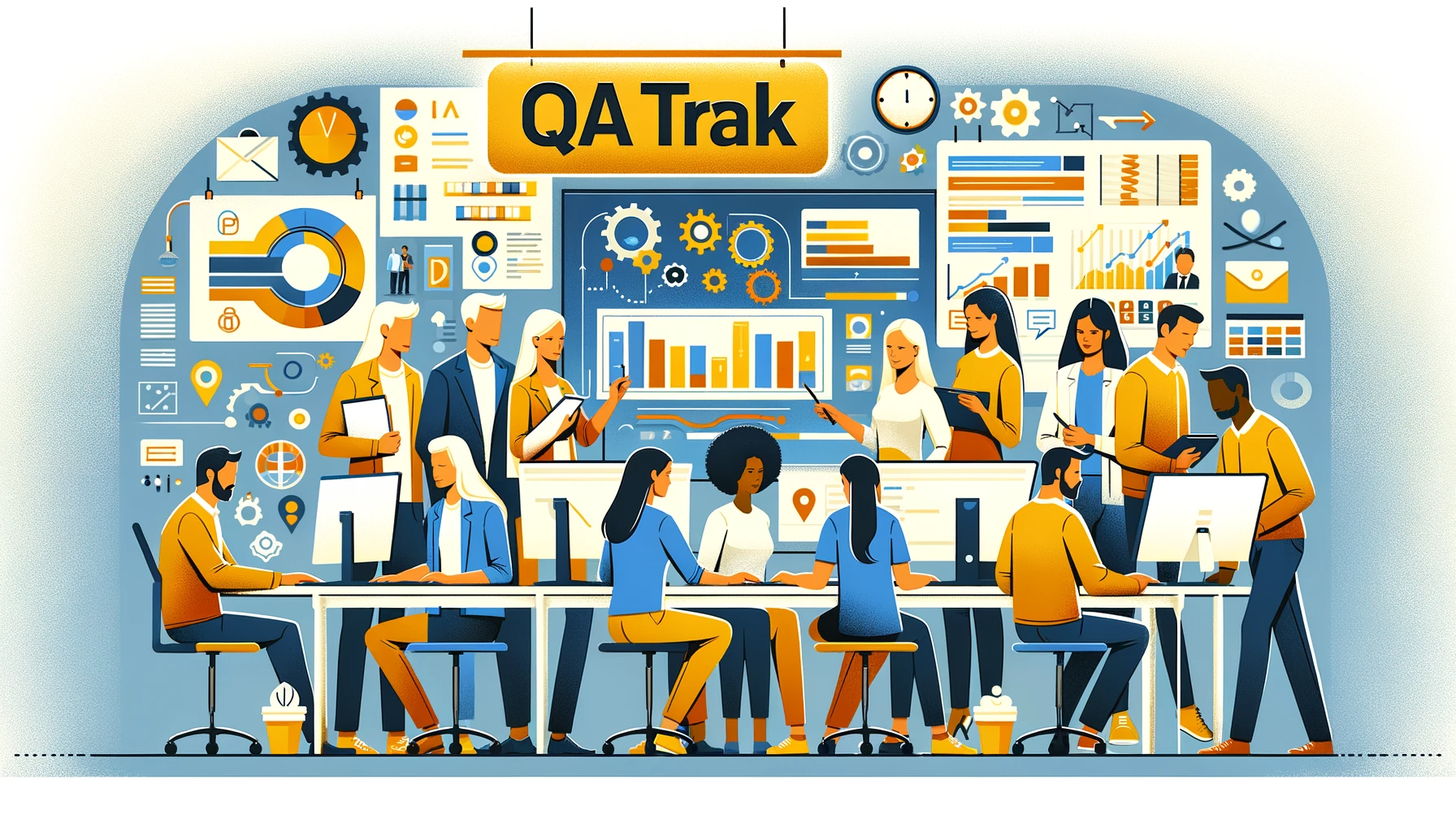
Many people think QA’s job is just to “check the work.” In fact, our most important role is connecting product, development, and users.
Product teams focus on goals and outcomes. Developers focus on how things are built. Users care about whether something works for them. QA is right in the middle of all these perspectives.
When I review a feature, I don’t just check if it meets the requirements. I also ask if the requirements themselves make sense. I’ve stopped many issues just by asking questions like, “What happens if the user does this instead?”
Developers usually focus on making things work, which is their main job. But just because something works doesn’t mean it’s easy to use. QA helps turn technical features into real experiences. I test software like a user would, not just by how it was built.
This matters even more when requirements are unclear or rushed. If something isn’t clear, developers make their best guesses. Product teams often think those guesses match their intent. QA is where these assumptions get checked before users run into problems.
Communication is a big part of QA. When I report a bug or concern, I don’t just say what’s broken. I explain why it matters and how it affects users and the business. This context helps teams set priorities and fix problems faster.
QA also helps avoid rework. Finding misunderstandings early, before the code is finished, saves time, money, and frustration. This only works when QA is involved from the start and seen as a partner, not just a gatekeeper.
In the end, QA isn’t here to slow teams down. We make sure everyone is building the same thing, for the same reasons, and with the same understanding. When QA does its job well, fewer surprises reach production and everyone benefits.